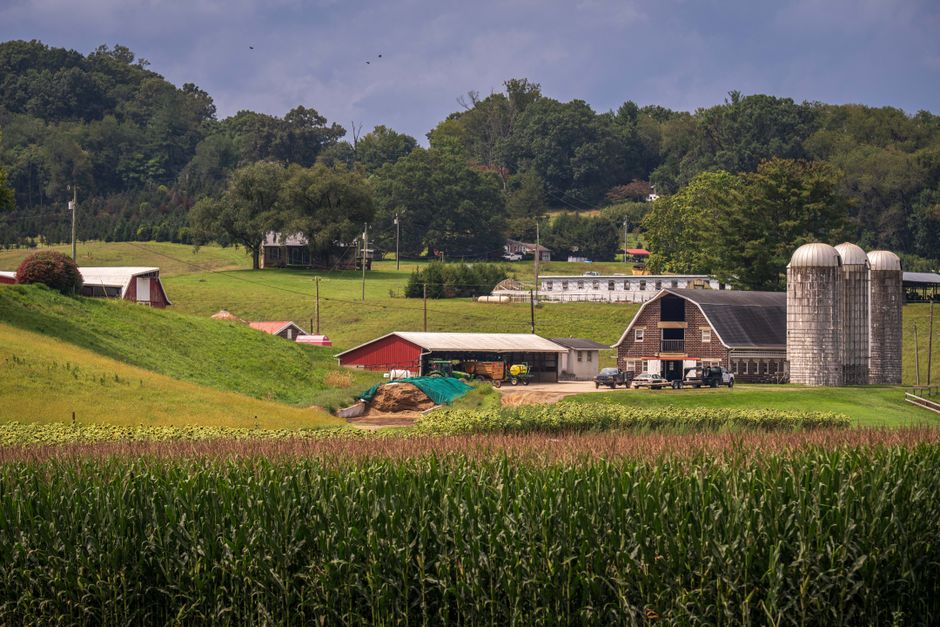
Agricultural property tax relief is a break that can lower what farmers and rural landowners pay each year. In most cases, it works by taxing your land on what it grows, not what it could sell for. That gap can be large. A field near a growing town might sell for a high price. However, its farming value is often much lower. This guide explains the agricultural property tax in plain English. You will learn who qualifies, how it saves money, and how to apply before the deadline.
What the Agricultural Property Tax Does
The agricultural property tax lets counties value farmland on its ability to produce, not its sale price. This is often called “use value” or “current use.” For example, states like Texas and Virginia use this method. Your county assessor (the local office that sets property values) applies a farm-use rate instead of a market rate. As a result, your taxable value drops.
Every state runs this a little differently. Some call it an agricultural exemption. Others call it a use-value assessment or a farm deferral. Groups like the Lincoln Institute of Land Policy and the Tax Foundation track how these programs work state by state. The IAAO, which sets assessment standards, also studies use-value rules.
Here is the key idea. The agricultural property tax does not erase your bill. Instead, it changes how your land is valued. Typically, that lower value means a lower yearly tax. However, the exact rules and savings live at the state and county level.
Who Qualifies for the Agricultural Property Tax
Most states set clear tests before you can get the agricultural property tax break. In most cases, your land must be used mainly for farming, ranching, timber, or similar work. Many states also set a minimum acreage or a minimum income from the land. Some require that you have farmed the land for a set number of years first.
For example, some states ask for at least five to ten acres in active use. Others accept smaller plots if you sell what you grow. Raising cattle, growing crops, keeping bees, or managing timber can all count. Your county assessor decides based on state law and local rules.
The table below shows common tests and documents. Rules vary widely, so treat this as a starting point.
| What assessors often check | What you may need to show |
|---|---|
| Land is used mainly for farming | Photos, lease, or a farm plan |
| Minimum acreage or income | Sales receipts or Schedule F tax form |
| History of farm use | Records from prior years |
| Active, not just idle, land | Proof of crops, animals, or timber |
How Much It Saves (and Why It Varies)
Savings from the agricultural property tax depend on your state, your county, and your land. There is no single dollar figure. States use different relief mechanisms. Some cut the assessed value directly. Some cap how fast the value can rise. Others defer part of the tax until the land is sold or developed.
Because of this, two farms of the same size can save very different amounts. The difference between market value and farm-use value drives the number. A large gap often means larger savings. A small gap means less.
One caution matters here. Many states charge a “rollback” tax if you stop farming or sell for development. This claws back some past savings. As a result, the break rewards real, ongoing farm use.
How to Apply and the Deadline
Applying for the agricultural property tax break usually starts at your county assessor or appraisal district office. Many have a form on their .gov website. You fill it out, attach your proof of farm use, and submit it. Some counties want the form in person. Others accept mail or online filing.
📨 Get Free Property Tax Guides Alerts
Free · No spam · Unsubscribe anytime
Keep good records before you apply. Save receipts, leases, and photos. These support your claim if the assessor asks questions. State Department of Revenue and Taxation sites often post plain guides too.
Frequently Asked Questions
Do I have to make a living from farming to qualify?
Not always. Many programs only require that the land is used mainly for farm activity. However, some states set a minimum income or acreage. Check your state’s rule with your county assessor.
Will a small hobby farm count?
It might. Some counties accept small plots with real crops or animals. Others set a minimum size. The safest step is to ask your assessor what your state requires before you apply.
What is a rollback tax and should I worry?
A rollback tax recovers past savings if you stop farming or develop the land. It can cover several prior years. If you plan to keep farming, it typically will not affect you.
Does the break renew on its own?
Sometimes. Certain states renew the status automatically each year. Others require a new form or a report of any change. Ask your county assessor which rule applies to your land.
Can I still get relief if I lease my land to a farmer?
Often, yes. Many states allow leased land to qualify if it is actively farmed. Keep a copy of the lease and proof of use. Your assessor can confirm the local rule.
See the exemptions you may qualify for
Homestead, senior, veteran, and disability exemptions can quietly cut your bill — and many homeowners never claim them. Browse the exemption guides to find the ones you may be leaving on the table.
Lowering your tax bill? Check your home insurance too.
Property tax isn’t the only home cost worth a second look. Many homeowners are overpaying for home insurance without knowing it — comparing quotes is a fast way to keep more of your money.
Sources & How to Verify
The figures and rules on this page come from official and authoritative sources. Property tax rates, median bills, and exemption amounts reset every year and vary by state, county, and school district — so always confirm the current figure, any exemption, and any deadline with your county assessor before you act. We are an independent educational resource, not a government agency or a tax-appeal service, and this page is not legal, tax, or financial advice.
- Tax Foundation: taxfoundation.org — property taxes by state & county
- U.S. Census Bureau: census.gov — median property tax paid and home values
- Lincoln Institute of Land Policy: lincolninst.edu — property-tax research and the 50-state data
- IAAO (assessment standards): iaao.org — how assessors are supposed to value property
- Your county assessor & state Department of Revenue: search “[your county] assessor” for your exact rate, exemptions, and appeal deadline
Content last reviewed July 2026. If you notice an outdated figure, please contact us.
Related Guides
- How to Appeal & Lower Your Property Taxes
- Exemptions & Relief
- Property Tax Basics
- More in This Category
- Property Tax by State
- Property Tax Glossary
Informational only — not legal, tax, or financial advice. Know Property Tax is an independent educational resource, not a government agency, a county assessor, a law firm, or a tax-appeal service, and this page does not provide legal, tax, or financial advice. Property tax rates, median bills, exemption amounts, and deadlines change every year and vary by state, county, and school district, and any estimate is illustrative only. Always confirm your rate, any exemption, and any deadline with your county assessor and a licensed professional before you act.