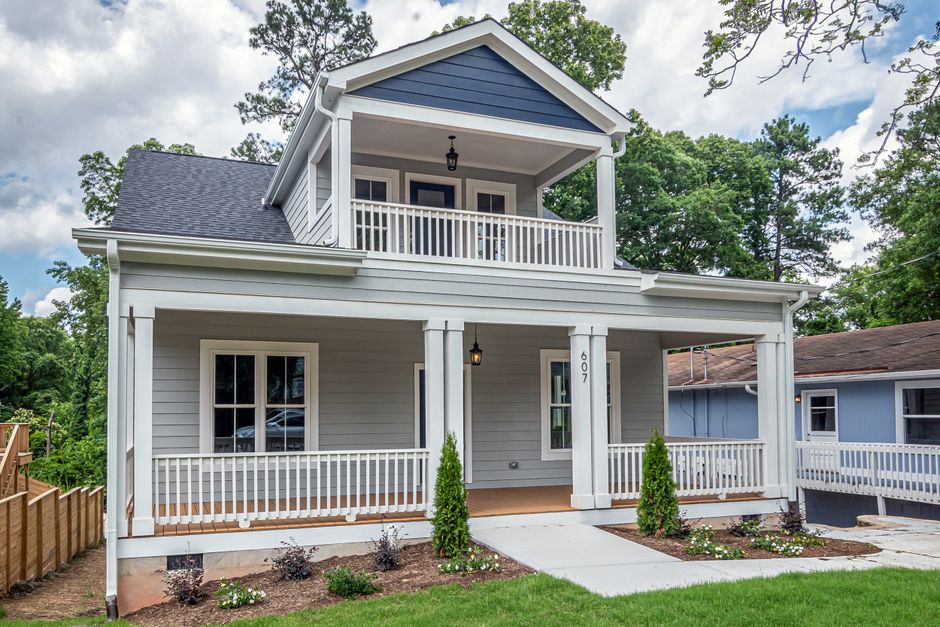
Homestead exemption rules can feel confusing, but the idea is simple. A homestead exemption lowers the property tax you owe on the home you live in. It applies to your main home, not a rental or a vacation place. However, the details change from state to state. Many homeowners qualify and never apply. As a result, they pay more than they need to. This guide walks you through the basics in plain, honest English.
What the Homestead Exemption Does
A property tax bill starts with your home’s assessed value. That is the dollar value your assessor’s office puts on your home. Your local mill rate (the tax per $1,000 of value) is then applied. A homestead exemption usually removes a set amount from that assessed value first. As a result, your taxable value drops. A lower taxable value means a smaller bill. In most cases, the savings show up once you are approved.
Not every state works the same way. Some give a flat dollar-off-value break. Others use an assessment cap. That cap limits how fast your taxable value can climb each year. Some states offer a value freeze for older homeowners. However, the goal is the same. It eases the tax on your primary home. The Tax Foundation and the Lincoln Institute of Land Policy both track these programs across all fifty states.
Think of it as a discount on the part of your home’s value that gets taxed. It does not lower the home’s market price. It simply shrinks the number the tax rate is applied to. For many families, that is real money saved every single year.
Who Qualifies for the Homestead Exemption
Eligibility rules vary, but a few patterns are common. Typically, you must own the home. You must also live in it as your primary residence. Second homes and investment properties usually do not count. Some states offer larger breaks for seniors, veterans, people with disabilities, or surviving spouses. For example, many places add an extra homestead exemption amount for homeowners aged 65 and older.
You often need to prove the home is truly yours and truly where you live. The table below shows what assessors generally ask for. Your county may want more or less. Always check the exact list with your local assessor before you file.
| What assessors often ask for | Why they ask |
|---|---|
| Deed or proof of ownership | Shows the home is legally yours |
| Driver’s license or state ID with the address | Shows this is where you live |
| Voter or vehicle registration | Backs up your primary residence |
| Age, disability, or military service records | Confirms extra, special breaks |
Income limits sometimes apply to income-based credits or rebates. In most cases, a basic homestead exemption has no income test. However, the extra senior or disability breaks often do. You may qualify if you meet your state’s age, income, or service rules. When in doubt, ask; the answer is often yes.
How Much the Homestead Exemption Saves (and Why It Varies)
Here is the honest answer: it depends. The savings depend on your home’s value, your local tax rate, and your state’s method. A dollar-off-value homestead exemption saves more where rates are higher. An assessment cap saves more when home values are rising fast. So two neighbors on the same street can see very different results.
Because these figures reset every year, no single number fits everyone. The U.S. Census Bureau reports that property tax bills differ widely by state and county. So rather than trust a random figure online, confirm your exact break with your county assessor. They can show you the current-year exemption amount and rate that apply to you.
Treat the example above as a rough picture, nothing more. Your real homestead exemption savings will differ. The IAAO, which sets assessment standards, reminds homeowners that values and methods vary by district. As a result, the same program can save one family a little and another family a lot.
How to Apply and the Deadline
Applying is usually free and fairly quick. You file a short form with your local appraisal district or tax office. You attach proof of ownership and residency. Many counties now let you apply online in a few minutes. Once approved, some homestead exemption benefits renew automatically each year. Others require you to reapply, especially age- or income-based ones.
📨 Get Free Property Tax Guides Alerts
Free · No spam · Unsubscribe anytime
Deadlines are the part people miss most often. Miss the date, and you may wait a full year for the break. So mark it down as soon as you buy or move in.
Frequently Asked Questions
Do I have to reapply every year?
It depends on your state. In many places, a basic homestead exemption renews automatically once approved. However, senior or income-based breaks often need yearly proof. Ask your assessor’s office to be sure.
Can I get this break on a rental or second home?
Usually not. A homestead exemption applies only to your primary residence. Vacation homes and rentals typically do not qualify. Your local assessor can confirm what counts as your main home.
What if I bought my home this year?
You may still qualify for the current year or the next one. Rules on timing vary by state and county. File as soon as you can, and ask about the exact deadline.
Will this affect selling my home later?
No, it simply lowers your yearly tax while you live there. When you sell, the new owner files their own paperwork. Some assessment caps reset at sale, so buyers should ask upfront.
How do I know if I already have it?
Look at your latest assessment notice or tax bill. It often lists any homestead exemption you receive. If you see none, call your county assessor and ask how to apply.
See the exemptions you may qualify for
Homestead, senior, veteran, and disability exemptions can quietly cut your bill — and many homeowners never claim them. Browse the exemption guides to find the ones you may be leaving on the table.
Lowering your tax bill? Check your home insurance too.
Property tax isn’t the only home cost worth a second look. Many homeowners are overpaying for home insurance without knowing it — comparing quotes is a fast way to keep more of your money.
Sources & How to Verify
The figures and rules on this page come from official and authoritative sources. Property tax rates, median bills, and exemption amounts reset every year and vary by state, county, and school district — so always confirm the current figure, any exemption, and any deadline with your county assessor before you act. We are an independent educational resource, not a government agency or a tax-appeal service, and this page is not legal, tax, or financial advice.
- Tax Foundation: taxfoundation.org — property taxes by state & county
- U.S. Census Bureau: census.gov — median property tax paid and home values
- Lincoln Institute of Land Policy: lincolninst.edu — property-tax research and the 50-state data
- IAAO (assessment standards): iaao.org — how assessors are supposed to value property
- Your county assessor & state Department of Revenue: search “[your county] assessor” for your exact rate, exemptions, and appeal deadline
Content last reviewed July 2026. If you notice an outdated figure, please contact us.
Related Guides
- How to Appeal & Lower Your Property Taxes
- Exemptions & Relief
- Property Tax Basics
- More in This Category
- Property Tax by State
- Property Tax Glossary
You May Also Like
Informational only — not legal, tax, or financial advice. Know Property Tax is an independent educational resource, not a government agency, a county assessor, a law firm, or a tax-appeal service, and this page does not provide legal, tax, or financial advice. Property tax rates, median bills, exemption amounts, and deadlines change every year and vary by state, county, and school district, and any estimate is illustrative only. Always confirm your rate, any exemption, and any deadline with your county assessor and a licensed professional before you act.