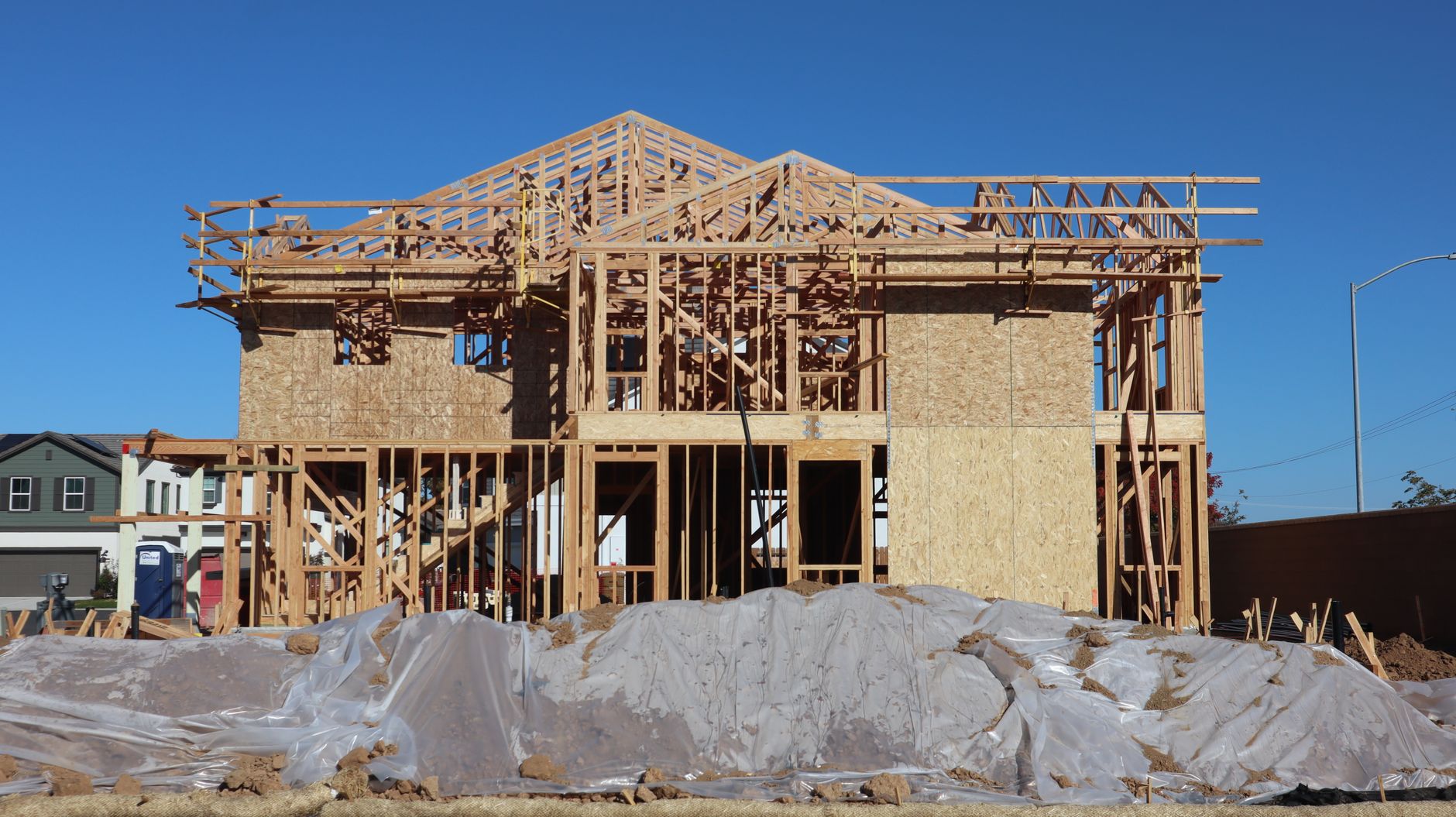
In short: This guide explains unfinished construction assessment in plain English — what it means, what actually decides it, and what to do next — so you can understand unfinished construction assessment without wading through a county PDF.
- What an Unfinished Construction Assessment Means for You
- How an Unfinished Construction Assessment Is Usually Calculated
- Common Mistakes in an Unfinished Construction Assessment
- What to Do If Your Unfinished Construction Assessment Looks Wrong
- Planning Ahead for an Unfinished Construction Assessment
- Frequently Asked Questions
An unfinished construction assessment can come as a surprise. Maybe you are building a new home, adding a room, or finishing a basement. The work is only half done. Then a notice arrives, and your assessed value has gone up.
You may wonder how anyone can tax a house nobody can live in yet. The short answer is that most assessors value property as it stands on one set day each year. If your project is partly built on that day, the partly built part usually counts. This guide explains how assessors generally handle it, what to check on your notice, and how to correct an error if you find one.
What an Unfinished Construction Assessment Means for You
First, some key terms. Market value is what your property would likely sell for. Assessed value is the value your county uses to figure your tax. In some places it equals market value. In others, it is a set share of market value. Your mill rate, also called millage, is the tax charged per $1,000 of assessed value. It comes from the levy, which is the total amount local governments need to raise.
Most counties pick one valuation date each year. Many use January 1. However, this varies, so confirm your date with your county assessor. Whatever exists on that date is what gets valued. An unfinished construction assessment simply reflects how far along the work was on that one day.
As a result, you may see your value rise in steps. It may go up a little in year one, while framing is done. It may rise again in year two, once the home is finished. Some areas also send a separate “supplemental” or “added” bill partway through the year when work is completed.
How an Unfinished Construction Assessment Is Usually Calculated
Assessors generally estimate a percent complete. For example, a home with walls, roof, and windows, but no drywall or cabinets, might be rated well short of finished. The assessor then applies that percentage to the value the home is expected to have when done. Many offices use standardized cost guides for this step.
Why cost and not sales? In most cases, there is no real market for half-built homes. Few people buy them. So assessors usually rely on the cost approach. That means estimating what it costs to build, then adjusting for how much is actually in place. Industry assessment standards, such as those from the IAAO, support this kind of method.
Here is how the process usually flows. Every county is different, so treat this as a general picture.
| Step | What Usually Happens | What You Can Do |
|---|---|---|
| 1. Permit is issued | The building department often shares permits with the assessor. | Keep a copy of your permit and plans. |
| 2. Valuation date arrives | The assessor estimates how complete the work is on that date. | Take dated photos of the project around that day. |
| 3. Value is set | The percent complete is applied to the expected finished value. | Check the notice for the percent or value listed. |
| 4. Notice is mailed | You receive an assessment notice with the new value. | Note the appeal deadline right away. |
| 5. Work is finished | The full value is added, sometimes by supplemental bill. | Plan ahead so a later bill or escrow change does not surprise you. |
A quick word on escrow. If your lender pays your taxes from a monthly escrow account, a higher value can raise your mortgage payment later. Planning ahead helps you avoid a shock.
Common Mistakes in an Unfinished Construction Assessment
Errors do happen. Assessors handle thousands of properties, and many never step inside an unfinished home. They may guess from a permit or a drive-by view. For example, a house can look complete from the street while the inside is still bare studs.
Watch for these common problems in an unfinished construction assessment:
- The percent complete is too high for what was actually built on the valuation date.
- The home is valued as finished, even though it was not.
- Square footage, rooms, or features are listed that do not exist yet.
- A stalled or abandoned project is still valued as if work were moving forward.
- The same work is counted twice, once in a regular bill and again in a supplemental one.
Any of these can mean you are paying more than your fair share. The good news is that many homeowners fix these errors with simple proof.
What to Do If Your Unfinished Construction Assessment Looks Wrong
Start by reading your notice closely. Look for the value of the new work and, if shown, the percent complete. Then compare it with what was really built on the valuation date. Your dated photos, builder invoices, and inspection records are your best evidence.
Next, call or email your county assessor. Ask how they valued your unfinished construction assessment and what percent complete they used. In most cases, staff can explain the numbers. Sometimes they will correct a clear mistake informally, without a formal appeal.
If that does not work, you can usually file an appeal. Many areas send these to a board of review, which is a local panel that hears value disputes. Appeal windows are often short. Your county sets this deadline, so confirm the exact date with them as soon as your notice arrives.
📨 Get Free Property Tax Guides Alerts
Free · No spam · Unsubscribe anytime
Also remember the two clocks. An exemption application deadline and an appeal deadline are different dates. For example, a homestead exemption lowers the taxable value of your main home. Once you move into a newly finished home, you may need to apply for it, sometimes again, at the new address. Missing that deadline is a separate loss from missing an appeal. Mark both dates on your calendar.
Finally, keep in mind that rates, median bills, and exemption amounts reset every year. Relief laws also change often. So always confirm current figures with your county assessor before you act.
Planning Ahead for an Unfinished Construction Assessment
If you are about to build, a little planning helps. Ask your assessor’s office how they handle work in progress. Ask when your valuation date falls and whether supplemental bills apply. Usually, timing matters. Work started just before the valuation date may be valued very differently from work started just after.
Set aside money for higher taxes once the work is done. The national average property tax bill is roughly $4,271 per year, per Census data analyzed by NAHB. However, that is only a national average. Your own bill depends on your county, school district, and home. Any estimate is illustrative, and every property is different.
Frequently Asked Questions
Can I be taxed on a house I cannot live in yet?
Usually, yes. Most assessors value what exists on the valuation date, finished or not. However, the value should match how complete the work actually was on that day.
How do I challenge an unfinished construction assessment?
First, gather dated photos, invoices, and inspection records. Then contact your county assessor to ask how they set the value. If that does not resolve it, you can usually file an appeal before your county’s deadline, which you should confirm with them.
What if my construction project stalled or stopped?
Tell your assessor in writing, with proof. In most cases, a stalled project should not be valued as if it were moving toward completion. As a result, many homeowners see the value adjusted once the assessor has accurate information.
Key point: When homeowners ask about unfinished construction assessment, the honest answer depends on the county they live in — this guide on unfinished construction assessment walks through what actually decides it.
Put Real Numbers on Your Own Home
Property tax is the most local tax there is, so the honest answer depends on your state and your county. Our free tools use verified county data to put a real number on your own situation — no signup, no email.
Sources & How to Verify
The rules in this guide on unfinished construction assessment come from official and authoritative sources. Property tax rates, median bills, and exemption amounts reset every year, and they vary by state, county, and school district — so always confirm the current figure, any exemption, and above all any deadline with your county assessor before you act:
- Tax Foundation: taxfoundation.org — property taxes by state and county.
- U.S. Census Bureau: census.gov — median property tax paid and home values.
- Lincoln Institute of Land Policy: lincolninst.edu — the standing 50-state property tax research.
- IAAO: iaao.org — the standards assessors are supposed to value property by.
- Your county assessor and state Department of Revenue: the only place your exact rate, exemption, and deadline are official.
Verified November 2026. Rates and exemption amounts reset every year; if you spot anything outdated, please contact us.
Related Unfinished Construction Assessment Guides
More guides related to unfinished construction assessment:
- Are You Overpaying? Free Over-Assessment Check
- Property Tax Exemption Finder — What You Qualify For
- Your County’s Verified Appeal Deadline
- Property Tax Calculator — Any County
- Property Tax by State
- Property Tax by County
Disclaimer. This page is for general information only and is not legal, tax, or financial advice. Know Property Tax is an independent educational resource — we are not a government agency, a county assessor, a law firm, or a tax-appeal service. Property tax rates, exemption amounts, and deadlines change every year and vary by state, county, and school district, and any estimate is an illustration, not a prediction. Confirm your rate, any exemption, and above all any deadline with your county assessor before you act.